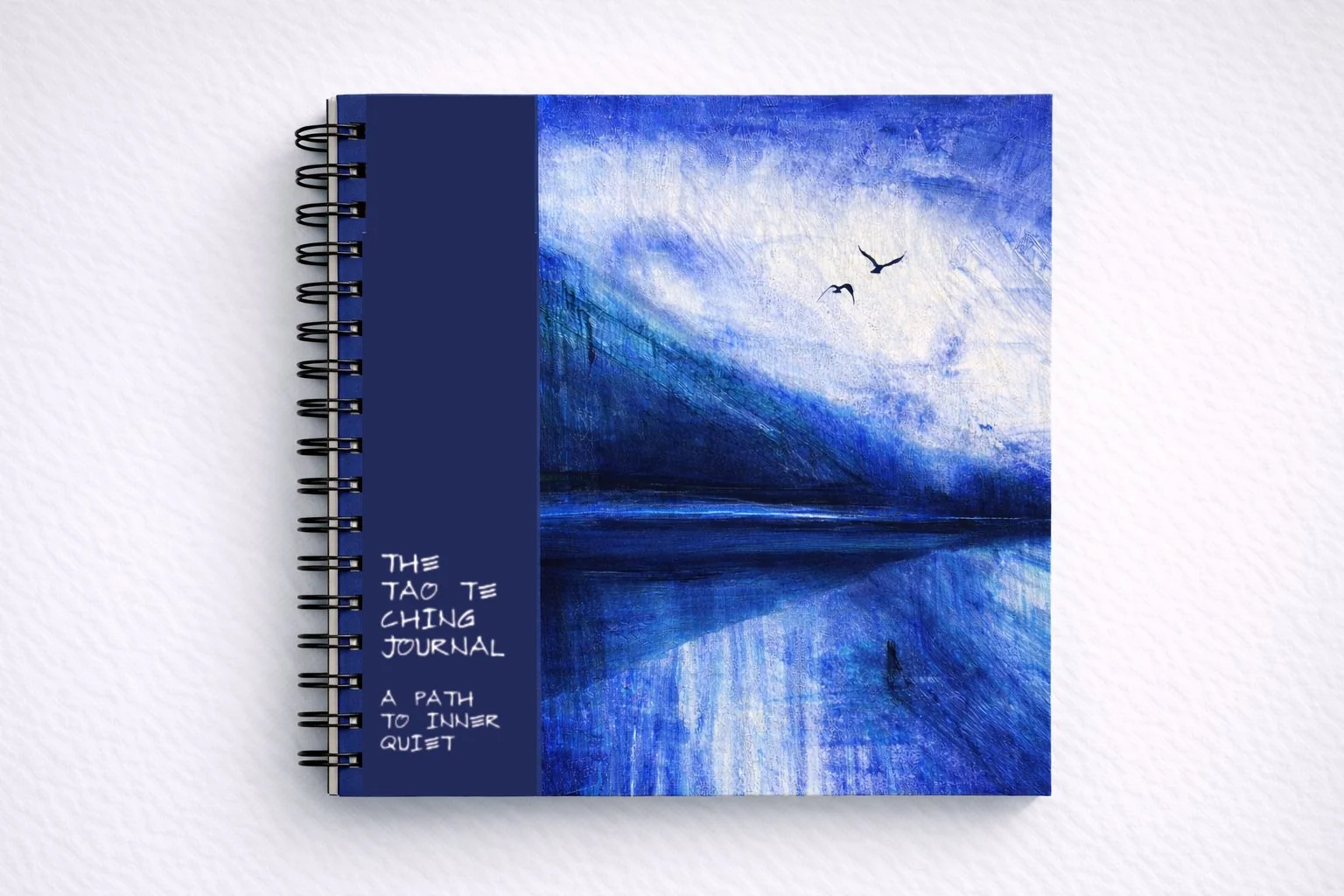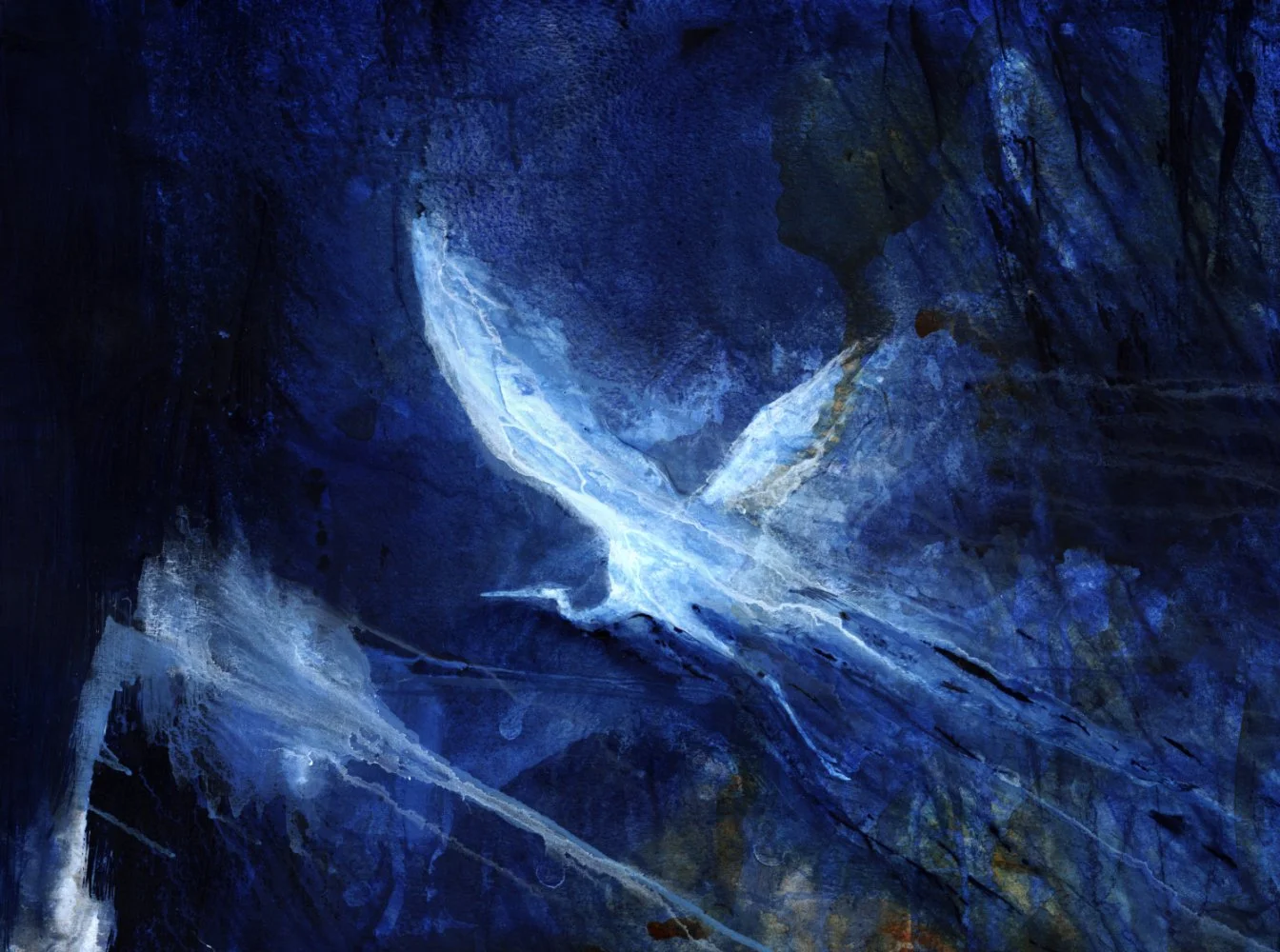
In Solitude, the Masks Come Off
In solitude the masks come off.
Not all at once — first the loud one,
then the pleasant one,
then the one you forgot you were wearing.
What you were trying to be
sits down, tired,
and what you are
does not need to stand.
The world withdraws its questions.
A quieter one remains:
when there is no one to convince,
who is here?
Reflection
Most of us spend our days in conversation — not just with other people, but with the idea of other people. We adjust. We present. We soften this edge, sharpen that one. It happens so continuously that we stop noticing we’re doing it.
Solitude interrupts the performance. Not dramatically. You don’t walk into the woods and immediately find your true self waiting by the trailhead. What happens is slower and less romantic. You simply run out of audience. And without an audience, certain habits lose their purpose. The posture relaxes. The inner narration — the one that explains and justifies — grows quieter. Eventually it stops.
What remains is harder to name than what falls away.
In Chapter 16, Lao Tzu writes about emptying yourself and letting the mind rest at peace. He calls it returning to the root. In Chapter 47, he says you can know the whole world without leaving your room. These are not arguments for isolation. They are observations about where clarity lives. It lives in the spaces where performance has stopped.
On a solo canoe trip, this happens around the third or fourth day. You stop composing the story of the trip. You stop rehearsing how you’ll describe the sunset to someone back home. The sunset just happens, and you’re in it, and there is nothing between you and the experience. That’s the moment Lao Tzu is pointing toward. Not enlightenment. Just the absence of interference.
The Tao Te Ching suggests that what we are, underneath the performance, is not smaller than what we pretend to be, but simply quieter. And it has been waiting with a patience we haven’t extended to ourselves.
The question the poem asks — when there is no one to convince, who is here? — is not one that can be answered in company. Chapter 16 of the Tao Te Ching calls this returning to the root. Not a destination, but a direction.
Questions to Consider
When you last spent time in solitude, what was the last mask to come off — the one you forgot you were wearing?
When you are alone and the performing stops, what remains?