

One Thing Pretending To Be Two
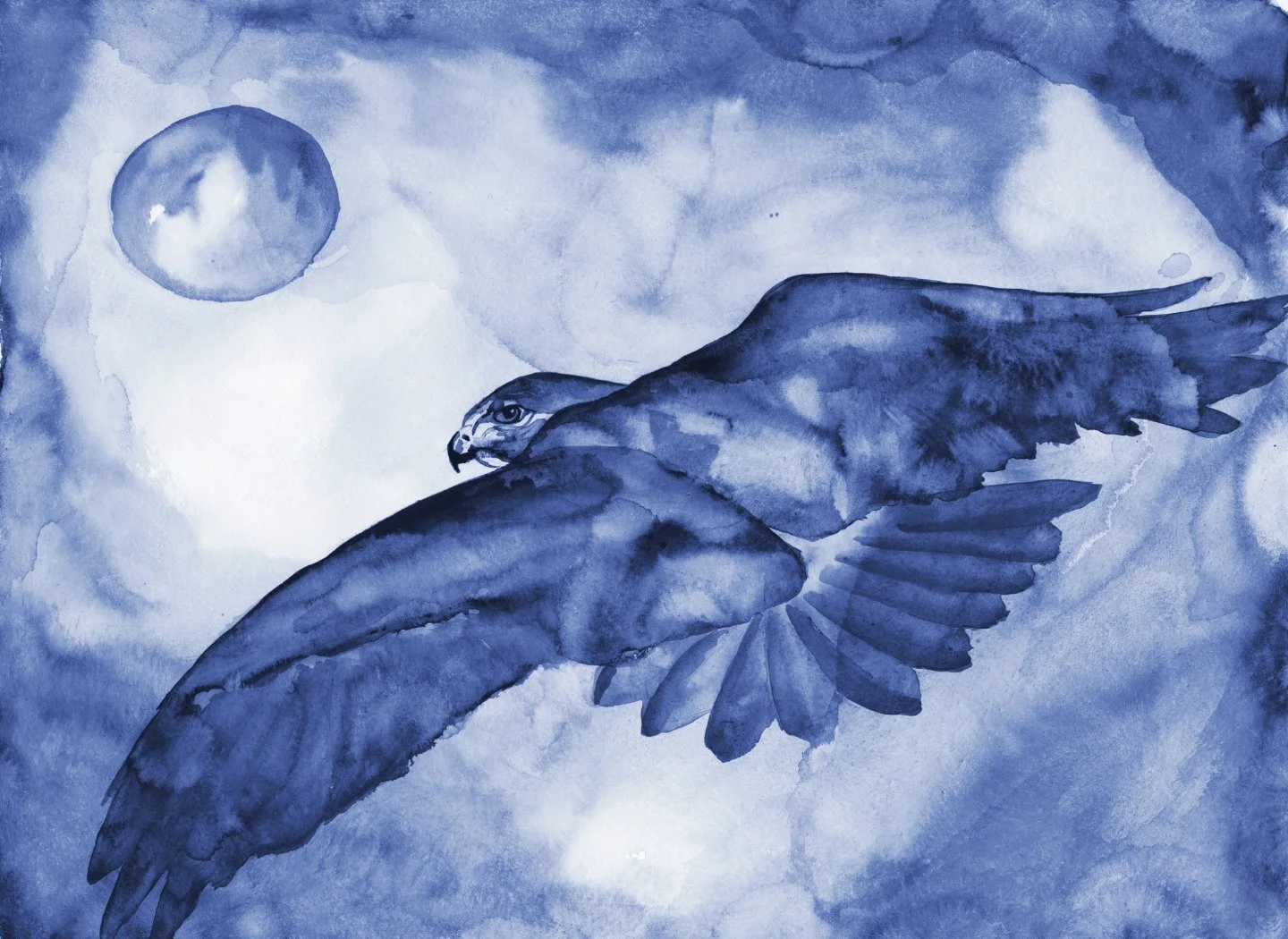
The silent Tao
Sings the unborn day.
Shadow and the light
Arrive together
From the same source.
We draw a line in water,
Call one side sacred, one profane
The water laughs without laughing,
And continues to be water.The sea and the river come from the same source
The sea is river dreaming itself home.The Tao asks us to accept what is
And find harmony in opposites.
- Heron Dance interpretation of the sections of the Tao Te Ching that explore non-dualism.
. . .
The small truth has words that are clear; the great truth has great silence.
- Rabindranath Tagore
Of the concepts explored in the Tao, the one I find most difficult to come to terms with is that of non-dualism. It contains within itself a contradiction. It seems to say that right and wrong are the same, as are the sacred and the profane. Dualism is actually an illusion of the mind. At the same time it says that non-dualism is the right way to think.
When we understand, we are at the center of the circle, and there we sit while ‘Yes’ and ‘No’ chase each other around the circumference.
- Chuang-tzu, Taoist hermit monk, (389-286 BCE). He was the author of The Zhuangzi — one of two foundational texts of Taoism alongside the Tao Te Ching — whose parables on emptiness, contradiction, and the uselessness of rigid categories remain among the most searching expressions of Taoist non-dualism in the classical tradition.
The Beauty of Contradiction
Chuang Tzu told of knotty, twisted trees that survived because no carpenter wanted them, while the straight and beautiful trees were cut down. The empty space in the hub of a wheel allowed the wheel to turn—emptiness is required for things to have meaning and function. The deepest realities, he said, cannot be grasped through striving.
Getting back to contradictions, I’ve often felt, particularly during the hundreds of interviews that I’ve done over the years, that it is in the contradictions that the deepest meaning, the real juice, of a human life hangs out. It is in the difference between how a person lives and wants to live, for instance, or what a person says that they want to get out of this precious gift called life versus the sacrifices that they are willing or unwilling to make to create that life that they envision, that reveal the deepest truths about us as individuals.
How that applies to Taoism and non-dualism I can sense but not explain. Like many of the precepts and principles of Taoism it is an enigma, a beautiful mystery.
If I could define enlightenment briefly I would say it is "the quiet acceptance of what is." No judgement, no anger or bitterness, no hostility or remorse but a quiet willingness to go with it rather than to fight it.
- Dr. Wayne W. Dwyer, Real Magic
There are trivial truths and there are great truths. The opposite of a trivial truth is plainly false. The opposite of a great truth is also true.
- Niels Bohr, physicist, recipient of the Nobel Prize.