

The Lowly Hidden Places
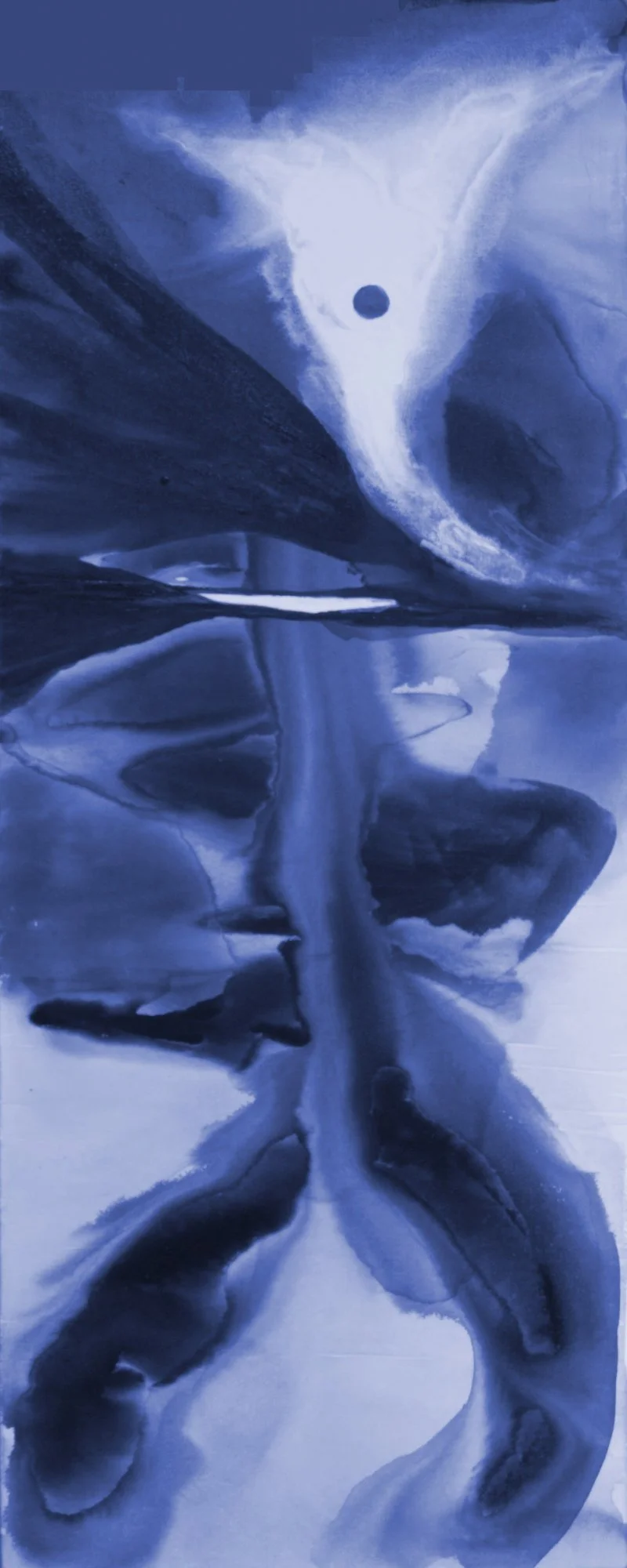
To the valley, the animals come—
the doe with her soft mouth,
the birds to drink and sing—
for all that lives is thirsty.
The great rivers flow below mountain streams.
and the streams come willingly,
carrying what the mountains cannot hold.
The valley asks for nothing,
In its stillness,
it holds the hidden places
where life is abundant.
The peak stands alone,
admired and wind-torn.
The valley receives.
The low places hold
a living pulse.
- Heron Dance interpretation of the sections of the Tao Te Ching that explore the humility of lowly places.
. . .
Reflection
There is a teaching the valley offers in its quiet way: what is low draws life toward it. Not through effort or persuasion, but through the simple grace of being open and unoccupied. The doe comes to the valley because there it finds water, food and shelter. She does not go to the mountain top.
We celebrate the peak—the visible achievement, the summit of success. And there is something breathtaking about high places. The peak though stands exposed and wind-torn. There is no life up there.
It is the low places, the humble places, where life gathers, where life is nourished. The Chinese character for the Tao’s “valley spirit” suggests something hollow and inexhaustible, a emptiness that is not lack but capacity. The valley can hold what it holds because it does not rise up to declare itself.
I think of mornings on still water, paddling into a cove where mist hung so thick the trees were only suggestions. Everything was muted, hidden, low. And yet the life there—the heron lifting off, the rings of feeding trout, the smell of cedar and wet stone—was almost overwhelming in its fullness. The cove didn’t need to be seen to be alive. Its hiddenness was part of its abundance.
When we stop climbing toward recognition, when we let ourselves settle into the lower, quieter place, something begins to flow toward us—not because we’ve earned it, but because we are no longer in the way. The poem tells us that the streams come willingly. They carry what the mountains cannot hold.
Wu-wei lives in the valley’s stillness. The humble low place is not a lesser place. It is where the hidden pulse of life flourishes.
. . .
Questions to Consider:
• Is there a place — inner or outer — where you have been striving for the peak? What would it feel like to stop ascending and let yourself rest in the valley instead?