


An Aimless Restlessness
Short of time, in a hurry
To get somewhere, not sure where.
Wanting more, not sure of what
Distracted by the trivial, the superficial
The surface things
An aimless restlessness
That which does not have cannot give.
A place of quiet beauty and mystery.
The moon, the rain,
Wild winds, rivers and lakes,
Mountains and forests
Ceaseless cycles of seasons
We originated there long ago
And there, still, we encounter
The ultimate repository of the human soul
Those who know this place
Are quiet about it
But you see it in their eyes.
Rivers find the sea
Without maps, without hurry,
Without losing their way.
Wisdom guided by inner peace,
Not tossed to and fro by outer chaos.
Rooted in quietude,
Stillness walks with wisdom.
Those who know don't speak of it.
Those who speak don't know.
Reflection
The restlessness the old masters warned of is the frantic search for more. The wanting of more without knowing more of what. The hurry to arrive at a destination not thought through. Movement without an objective, words words and more words spoken without meaning, accumulation without purpose.
In a cafe in a small town in the Smokies I once encountered a woman who possessed within herself a deep stillness – the mud had settled. A beautiful river rat, sunburnt dark, with deep, clear eyes. In those eyes, an awareness. You felt it the way you feel a deep pool in a river — a change in temperature, a slowing of the current. She had been to a quiet place inside herself and come back in possession of a wisdom that couldn’t be put into words. Without much to say, she didn't talk much. A knowing beyond knowledge.
The Tao Te Ching returns to this again and again: the quietness of deep, still water is where wisdom resides.
. . .
Question to Consider
Have you made room in your life for quiet, for the mud to settle, so that the Tao’s wisdom can enter?
. . .
Everything Heron Dance does and offers is summarized here.
Zen Buddhism resulted from the encounter between Buddhism from India and Taoism from northern China. Poetry was an important part of the tradition of the Taoist hermit monks of the Zhongnan Mountains. The Tao Te Ching is the best known of those poems but there were thousands of others written over two thousand years ago. Many are as beautiful and mysterious as the Tao.
Zen Mountain Journal also draws from the poetry of the Zen Buddhist monks of old Japan.
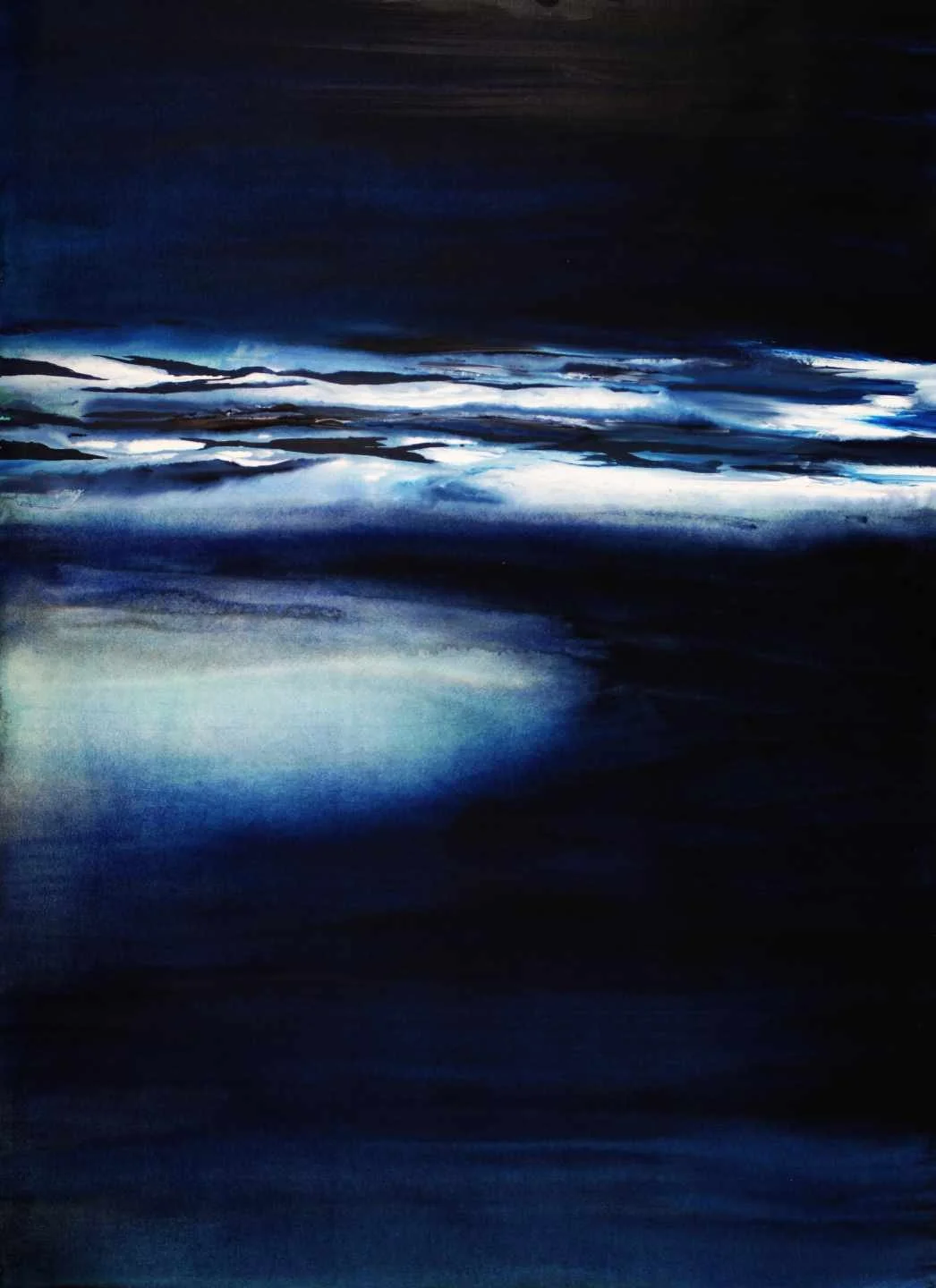
Zen Mountain Journal offers a Taoist journaling practice for those who seek to connect with inner worlds, with the deep silence and peace within. The poems and paintings in these posts are part of a journal now being created by Heron Dance Press. It will be available for preorder shortly.
The Zen Mountain Journal is reader supported but there is no obligation to contribute. If you would be willing to contribute, please do that here.