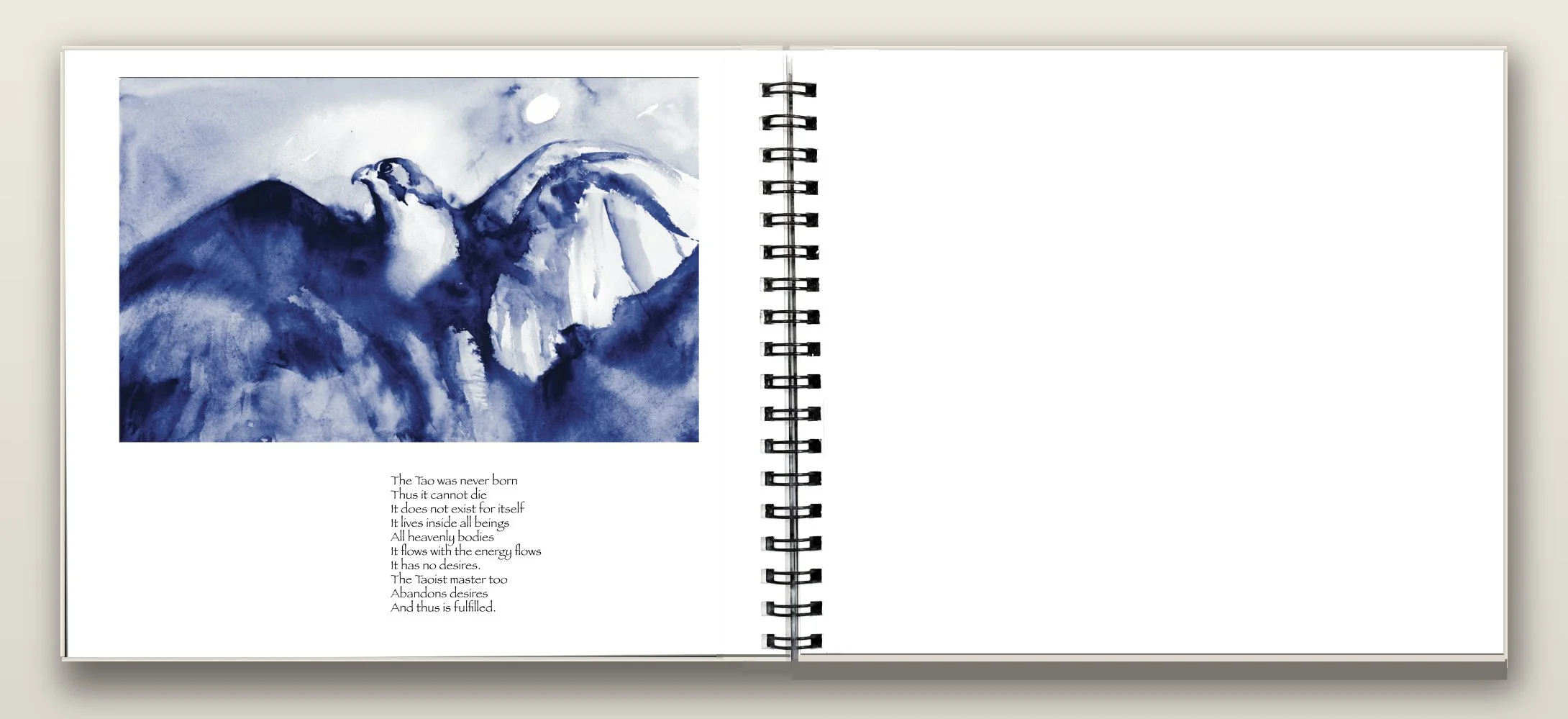
The Moment Before Excess
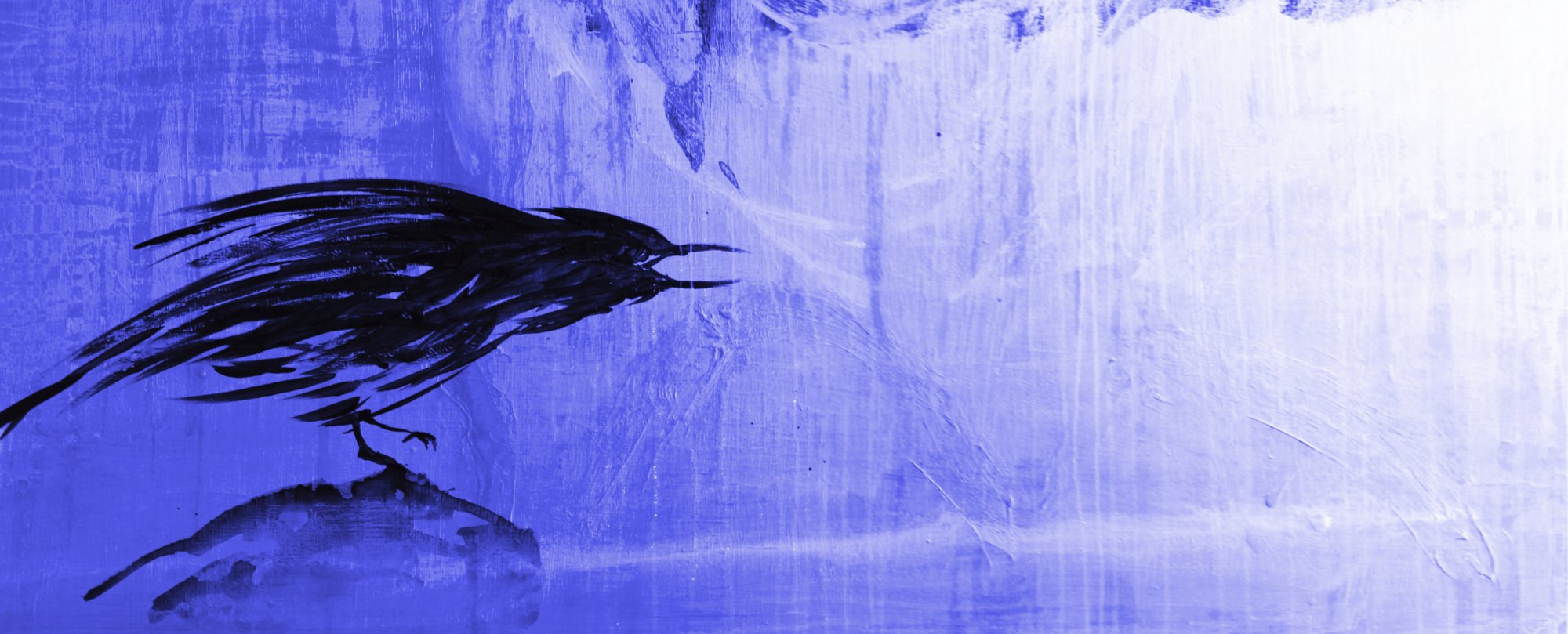
The Moment Before Excess
Knowing when enough is enough.
Knowing when wanting more
Disturbs the balance.
More food, more stuff, more talk.
Empty roads leading nowhere.
The moment before excess
Is the moment of completion.
Quiet days by a lake.
Simple food. Silence.
Wind, trees. Bird song.
. . .
Reflection
The moment before excess is the moment of completion.
We know what too much feels like — afterward. The third helping. The hour past tired. The sentence we shouldn't have spoken. We feel it as a small heaviness, a vague regret. Sometimes worse than vague.
What we miss is the moment just before. The pause where enough was already there.
On a long canoe trip you carry what you carry. There is no more. A bag of rice. A bag of oats. Coffee. A few onions. The pack is heavy and the portages are real, so every ounce has needs to earn its place. Strange thing happens around day four or five. The food tastes better. Not because the cooking improves — it doesn't. Because hunger has returned. Because there is no surplus. Because dinner is a small ceremony at the end of a long day on the water, and the fire takes time, and the rice takes time, and you sit and watch the lake while it cooks.
Back home, the same rice would be unremarkable. Excess dulls the senses. Sufficiency wakes them. Thoreau wrote that he avoided alcohol, tea and coffee because he didn’t want to ruin his taste for water.
The poem names three appetites: food, stuff, talk. The third is the most Taoist. The Tao Te Ching returns again and again to silence, to the value of what is not said. Many words exhaust, says Chapter 5. Most of what we say we say to fill space — to be seen, to smooth over, to assert. The few words that matter would matter more if surrounded by silence.
Sit with someone who knows how to be quiet and you feel it. The quality of attention sharpens. Each word means something.
There is an art to stopping.
This is the secret of the chapter, and perhaps of the whole Tao Te Ching: enough is not a quantity you arrive at. It is a recognition. It was always there. The moment before the third helping is already complete. The moment before the unnecessary sentence is already complete. The lake at dusk, before you reach for your phone to photograph it, is already complete.
. . .
Question to Consider
Where in your life is enough already present, waiting to be noticed?
. . .
This is the last of this series on the Tao Te Ching
Except for the listing of art on the final two pages, the journal is finished. The hardcover cases are being printed now and will ship to the interior printer shortly. The first copies should ship in early June. Order information below.
I’ve been thinking a lot about what direction to go in from here now that it is time to branch away from the Tao Te Ching. When I ask myself what Substack I’d most like to subscribe to it would be a rough journal of an artist’s preliminary creative process. I’d love, for instance, to read the journal of Picasso’s process as he thought through his first Cubist paintings, or Bob Dylan’s journal of his early thinking that led to Like a Rolling Stone or I ain't gonna work on Maggie's farm no more.
Several years ago I read the Thoreau’s journals and was fascinated by how they later evolved into his books, in particular Walden. So fascinated, in fact, that I created a book based on my art and favorite excerpts from his journals which totaled two million words, Thoreau and the Art of Life.
Nothing was ever so unfamiliar and startling to me as my own thoughts. . . My journal should be the record of my love. I would write in it only of the things I love, my affection for any aspect of the world, what I love to think of . . . I feel ripe for something . . . yet can’t discover what that thing is. I feel fertile merely. It is seed time with me. I have lain fallow long enough.
- Thoreau, in his journal
Next on this Heron Dance journey, I want to take the sections of the ancient poems of the Tao mountain hermits that most get me thinking about the gentle arts of life, about my connection to the natural world, about the role of peace and quiet in my life and my creative process and create from those an art journal. But not a lot of words. Just enough words to capture the essence along with rough preliminary watercolors — the ones that lead to my paintings. So we’ll where this next experiment goes.
Loose, relaxed art, where mistakes are part of the process, is just plain fun.
. . .
The Tao Te Ching Journal is now available for pre-order. Pre-order here. Read more here. Publication date is early June. The pre-order price is $57, after publication $67. Readers who pre-order receive copies with a signed bookplate thanking you for supporting the work and making it possible. Shipping $14.95. Supporting members are entitled to free shipping.
Everything Heron Dance does and offers is summarized here.
Zen Buddhism resulted from the encounter between Buddhism from India and Taoism from northern China. Poetry was an important part of the tradition of the Taoist hermit monks of the Zhongnan Mountains. The Tao Te Ching is the best known of those poems but there were thousands of others written over two thousand years ago. Many are as beautiful and mysterious as the Tao.
Zen Mountain Journal also draws from the poetry of the Zen Buddhist monks of old Japan.
Zen Mountain Journal offers a Taoist journaling practice for those who seek to connect with inner worlds, with the deep silence and peace within. The poems and paintings in these posts are part of a journal now being created by Heron Dance Press. It will be available for preorder shortly.
The Zen Mountain Journal is reader supported but there is no obligation to contribute. If you would be willing to contribute, please do that here.
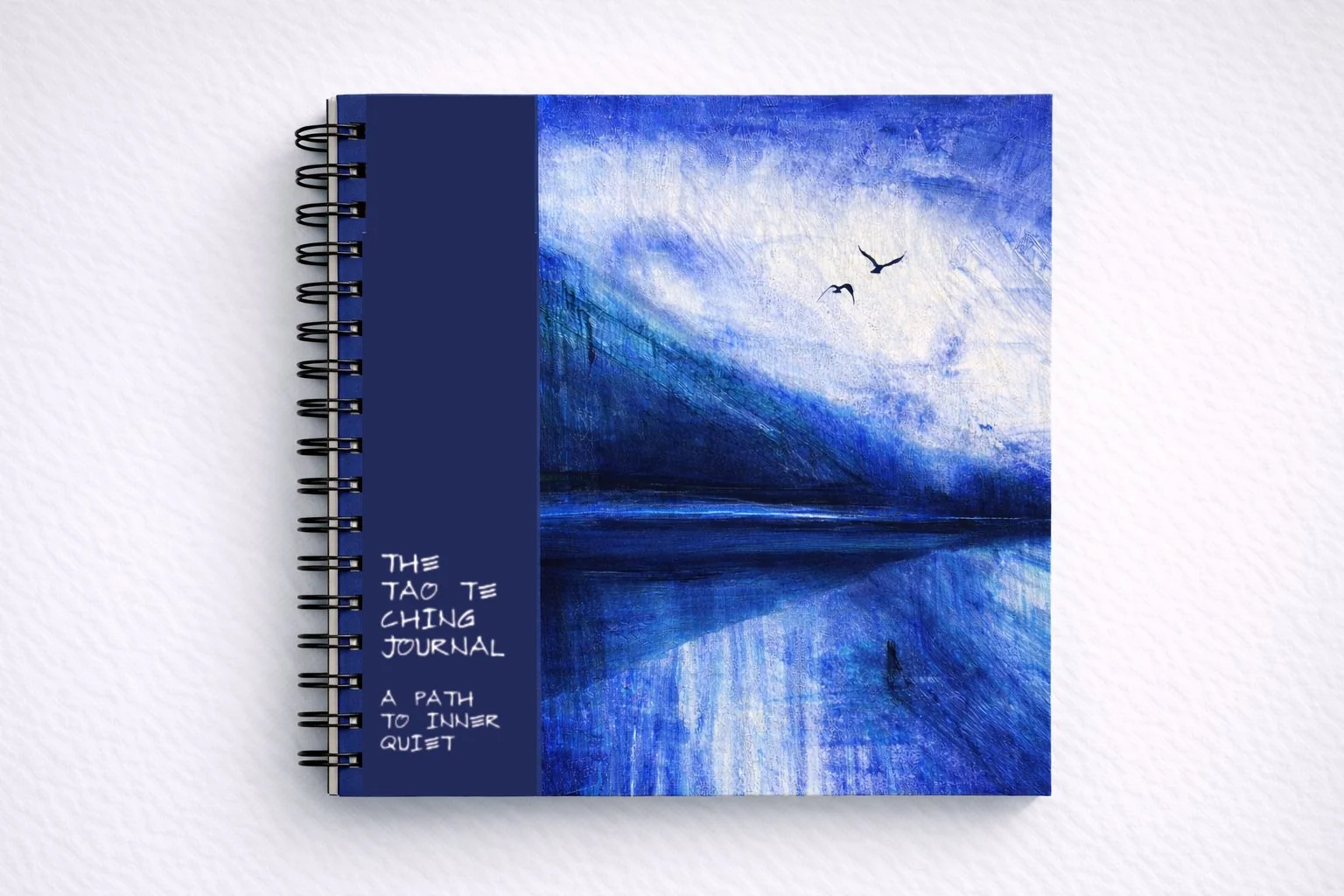

The Tao Te Ching Journal: A Path To Inner Quiet
All pre-orders receive a signed bookplate expressing the author’s appreciation for helping make this Journal possible.
Zen Mountain Journal blends Taoist hermit poetry, contemplative art, and reflections drawn from a lifetime shaped by wilderness, solitude, and decades doing creative work on the outer boundaries of our culture. These journals are companions for seekers — guides in the reconnection with inner quiet, beauty, and the “soundless music” of a life lived with simplicity and meaning.
• Size: 9.25 × 8.5 inches — convenient size for desk or lap.
• Hardcover — the book can be written in without a table or desk.
• Double wire-o bound to lay flat.
• Printed on Mohawk Superfine, a premium uncoated paper for a beautiful writing surface.
• 160 pages.