

Meditations on Nature.
Meditations on Silence.
Gratitude as a spiritual practice and philosophy of life.

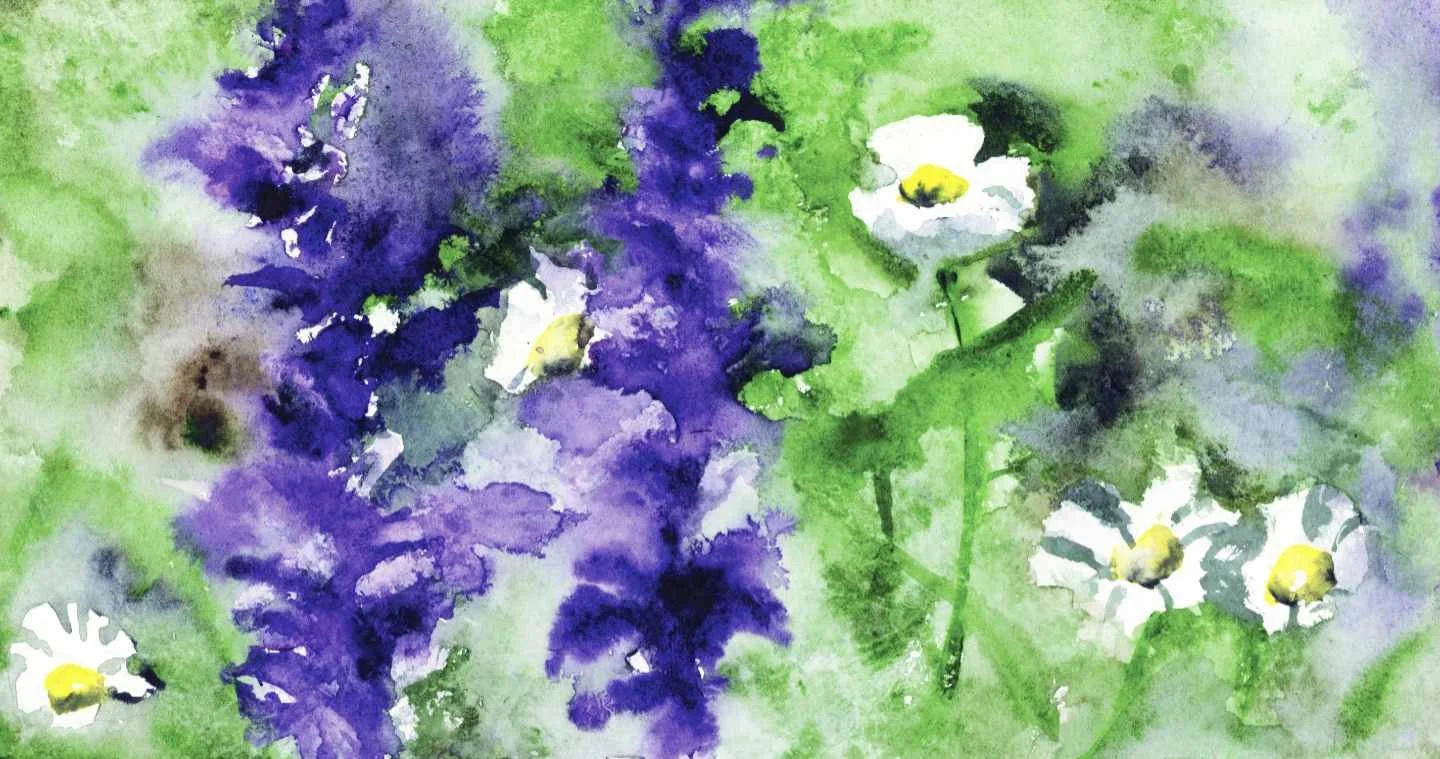
The earth
laughs in flowers.
- Ralph Waldo Emerson
There is a calmness to a life lived in gratitude, a quiet joy.
- Ralph Blum
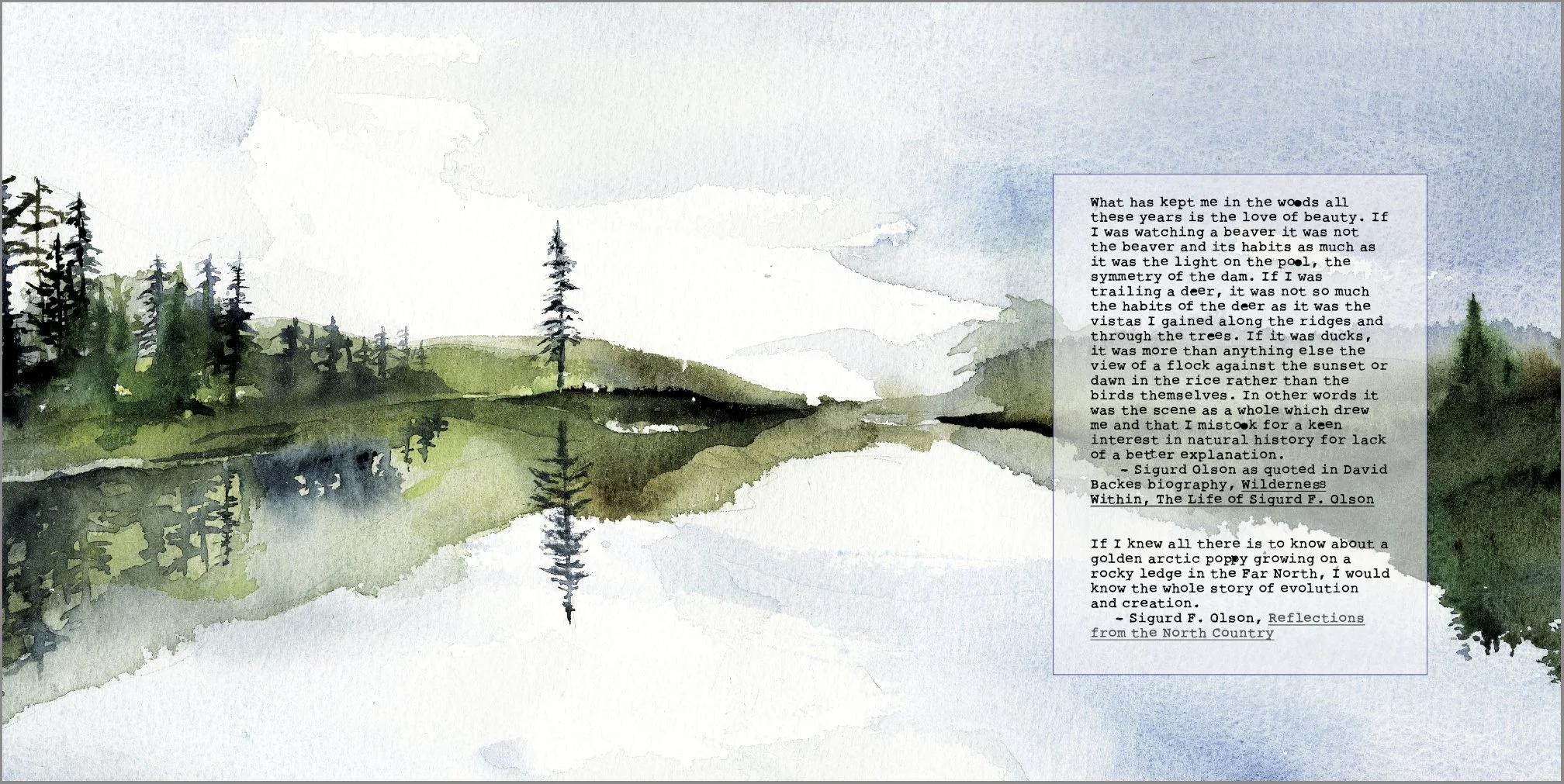
What has kept me in the woods all these years is the love of beauty. If I was watching a beaver it was not the beaver and its habits as much as it was the light on the pool, the symmetry of the dam. If I was trailing a deer, it was not so much the habits of the deer as it was the vistas I gained along the ridges and through the trees. If it was ducks, it was more than anything else the view of a flock against the sunset or dawn in the rice rather than the birds themselves. In other words it was the scene as a whole which drew me and that I mistook for a keen interest in natural history for lack of a better explanation.
- Sigurd Olson as quoted in David Backes biography, Wilderness Within, The Life of Sigurd F. Olson
. . .
If I knew all there is to know about a golden arctic poppy growing on a rocky ledge in the Far North, I would know the whole story of evolution and creation.
- Sigurd F. Olson, Reflections from the North Country
. . .
Man walks through forests of physical things that are also spiritual things, that watch him affectionately.
- Charles Baudelaire
The ancient rhythms of wilderness span seconds and centuries
The sound of the waters is audible to every ear, but there is other music in these hills, by no means audible to all. To hear even a few notes of it you must first live here for a long time, and you must know the speech of hills and rivers. Then on a still night, when the campfire is low and the Pleiades have climbed over rimrocks, sit quietly and listen for a wolf to howl, and think hard of everything you have seen and tried to understand. Then you may hear it –- a vast pulsing harmony –- its score inscribed on a thousand hills, its notes the lives and deaths of plants and animals, its rhythms spanning the seconds and the centuries.
- Aldo Leopold, Sand County Almanac
. . .
Early fall, one evening as the sun set, sitting by a northern lake several portages in, the fire burned mostly out, just a few red coals left, but reluctant to head off to our tents, a wolf started howling probably on the large island a mile off shore. Then another, and another. The night was filled with their chorus. Then silence again. Despite the thrill, an involuntary shiver ran down my spine — the ancient rhythms of the wilderness out of which we came — the approaching change of seasons, of cold, of the faint ancient memory of hunters always moving, trying to stay fed, to stay warm, sharing the land and the seasons with wolves and moose. The day fades into the vast starlit night.
- Journal note
. . .
I never knew a man who took a bedroll into an Idaho mountainside and slept there under a star-studded summer sky who felt self-important that next morning.
- Frank Church (Democratic Idaho Senator (1957-1981))
I am in love with this world. I have nestled lovingly in it. I have climbed its mountains, roamed its forests, sailed its waters, crossed its deserts, felt the sting of its frosts, the oppression of its heats, the drench of its rains, the fury of its winds, and always have beauty and joy waited upon my goings and comings.
- John Burroughs

Gratitude as a Spiritual Practice and as a Philosophy of Life
Gratitude unlocks the fullness of life. It turns what we have into enough, and more. It turns denial into acceptance, chaos to order, confusion to clarity. It can turn a meal into a feast, a house into a home, a stranger into a friend. Gratitude makes sense of our past, brings peace for today and creates a vision for tomorrow.
- Melody Beattie
Gratitude as a way of life, gratitude as a spirituality, requires the same as all other spiritualities – sacrifice, discipline. Focus is one requirement. You focus on the positive. You throw your lot in with the positive. You appreciate the gift of life, though you may not understand it. There are all kinds of cycles going on in the eternal – seasons, the earth revolving around the sun, tides, galaxies forming and dissolving. The life and death cycle of trees, birds, dogs, our friends, ourselves. This gift of life we’re given offers a brief glimpse into that beauty and mystery. A philosophy of gratitude, a spirituality of gratitude, allows us to best appreciate that gift.
Living with gratitude means focusing on the beauty of this meal, on the friendship of the person sitting right in front of you. It means being thankful for what you have rather than what you want. The more uncertain your next meal, or your meals next week, the more you are inclined to be grateful for the one in front of you, especially if lovingly prepared.
What we celebrate in our thoughts and actions, what we express gratitude for, gains a special energy. The objects of our appreciation grow in significance and power in our lives. But we can’t express gratitude in the hope of getting something. The relationship is more mysterious than that. We invite rather than expect. The universe responds however it responds. It is our role to express gratitude and be worthy.
In 1996, in the early days of Heron Dance, I interviewed Balbir Mathur, founder, with his wife Treva, of Trees for Life, a Wichita Kansas-based nonprofit that has provided millions of fruit trees to farmers in rural villages in India and other developing countries. He summed it up well – as well as anyone I’ve ever encountered or read:
Balbir: I serve. I do the dance I must. I plant trees but I am not the doer of this work. I am the facilitator, the instrument. I am one part of the symphony. I know there is an overall scheme to this symphony that I cannot understand. In some way, we are each playing our own part. It is not for me to judge or criticize the life or work of another. All I know is that this is my dance. I would plant trees today even if I knew for a certainty that the world would end tomorrow.
This boat I travel in is called Surrender. I have nothing to achieve. Whatever comes is there and I enjoy it. The two oars that take my boat -- one is instant forgiveness. I get angry, I get mad, but as soon as I remind myself to put my oars in action I forgive. The second oar is tremendous gratitude. I am thankful for the experience of this life, for the opportunity to dance.
Rod: To what do you surrender?
Balbir: The act of surrendering is so important that who you surrender to becomes insignificant. It is the surrender itself that is important. At different times you surrender to different things. Whatever it is, we will enjoy the moment the way it is. Call it God, call it Spirit, call it the love energy, call it by whatever pigeon hole you want -- but you surrender to life as it is, without demanding anything. If life is the master, I am the dancer. However I can serve, I do serve.
Surrender isn’t easy. Forgiveness is not always easy. Rachel Carson describes dwelling among the beauty and mystery of life as life’s supreme reward. Harlan Hubbard, devoting his life to living simply in nature, reflects on how easy it is to lose touch with that love through some trivial distraction of day-to-day life. We are all distracted by the trivial, the superfluous, the petty. We are all distracted by the things that, in the end, don’t matter.
The Lord works in mysterious ways – Whomever or whatever the Lord is. To Einstein and Thomas Berry and Ray Bradbury the Lord is a vast sea of energy, a sea in which, of which, we are a drop. Our separateness is an illusion, a delusion. “To see birds,” as John Burroughs says, “we must have birds in our heart.” To see life, we must have life in our heart. Helen Keller, sightless, unable to hear, finds her way to an Enchanted Wood where foliage is always green, where joy abides, where nightingales nest and sing, where life and death are one.
“The universe has shouted itself alive. We are one of the shouts,” said Ray Bradbury. We exist as a brief spark between two eternities. Living in that realization, incorporating it into how we think, how we live, is a challenge worthy of the gift of life.
...that best portion of a good man’s life,
His little, nameless, unremembered acts
Of kindness and of love.
- William Wordsworth, from “Lines Written a few Miles Above Tintern Abbey.”

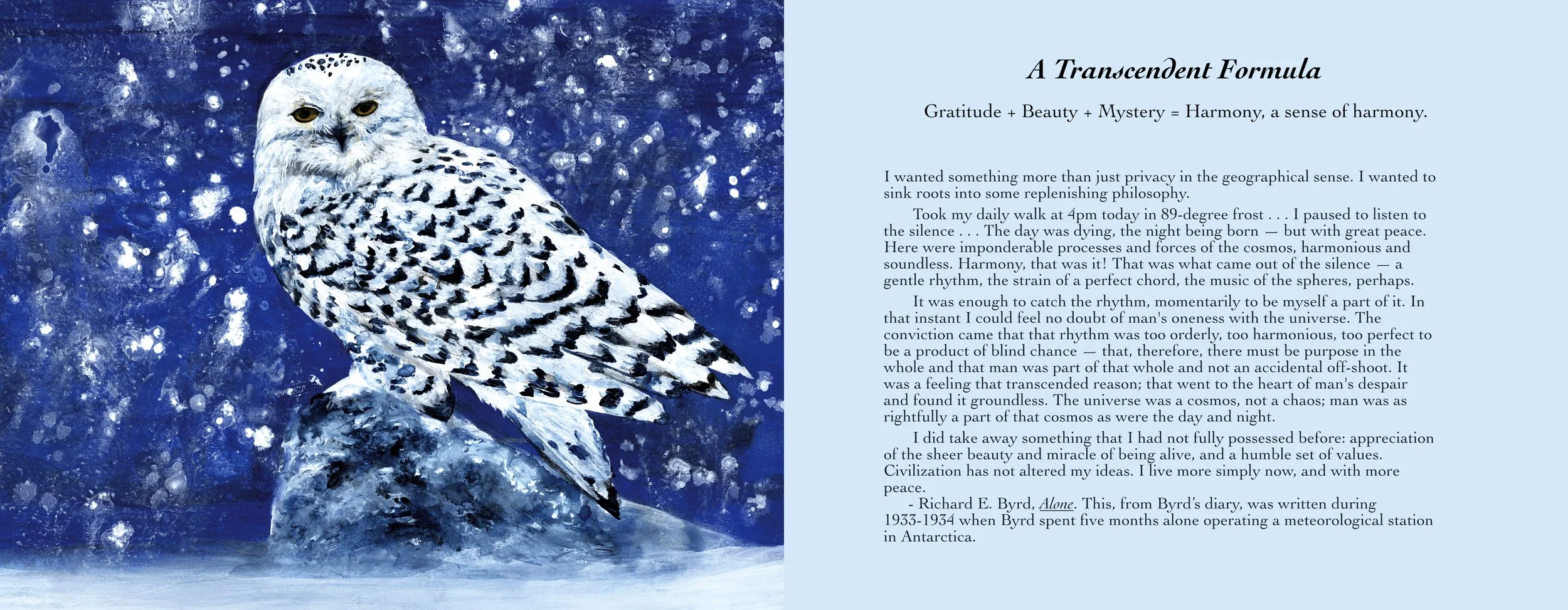
A two-page spread from the book
Meditations on Gratitude, Beauty and Mystery

For the world is not painted or adorned, but is from the beginning beautiful; and God has not made some beautiful things, but Beauty is the creator of the universe.
- Ralph Waldo Emerson
Two page spread from the book Meditations on Gratitude, Beauty and Mystery
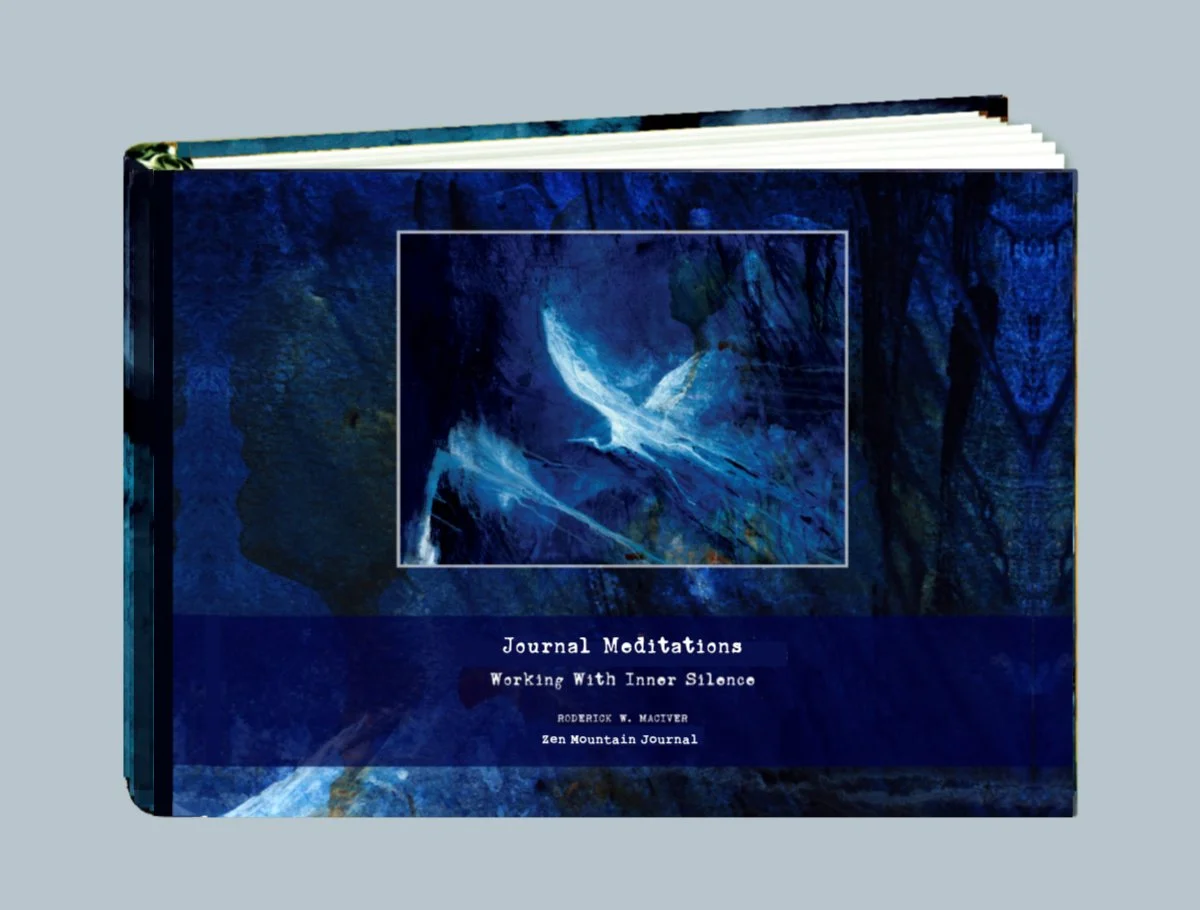
Books and Journals from Zen Mountain Press
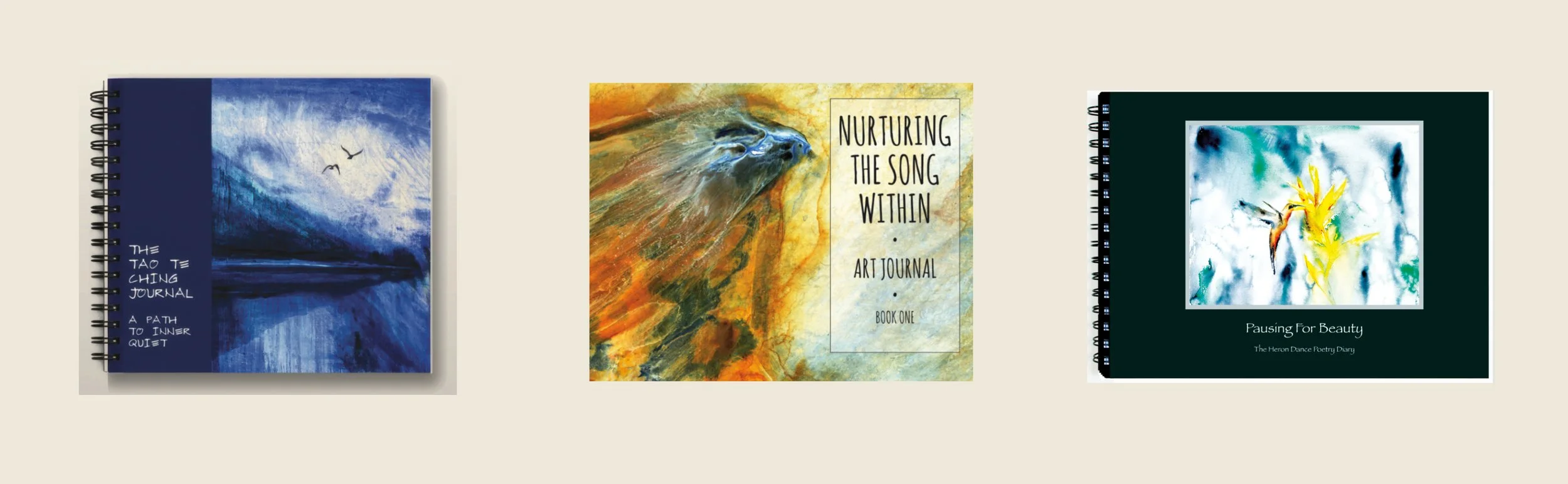

The Tao Te Ching Journal: A Path To Inner Quiet
Zen Mountain Journal blends the ancient wisdom of the Tao with contemplative art, reflections drawn from a lifetime shaped by wilderness, solitude, and decades doing creative work on the outer boundaries of our culture. These journals are companions for seekers — guides in the reconnection with inner quiet, beauty, and the “soundless music” of a life lived with simplicity and meaning.
• Size: 9.25 × 8.5 inches — convenient size for desk or lap.
• Hardcover — the book can be written in without a table or desk.
• Double wire-o bound to lay flat.
• Printed on Mohawk Superfine, a premium uncoated paper for a beautiful writing surface.
• 160 pages.
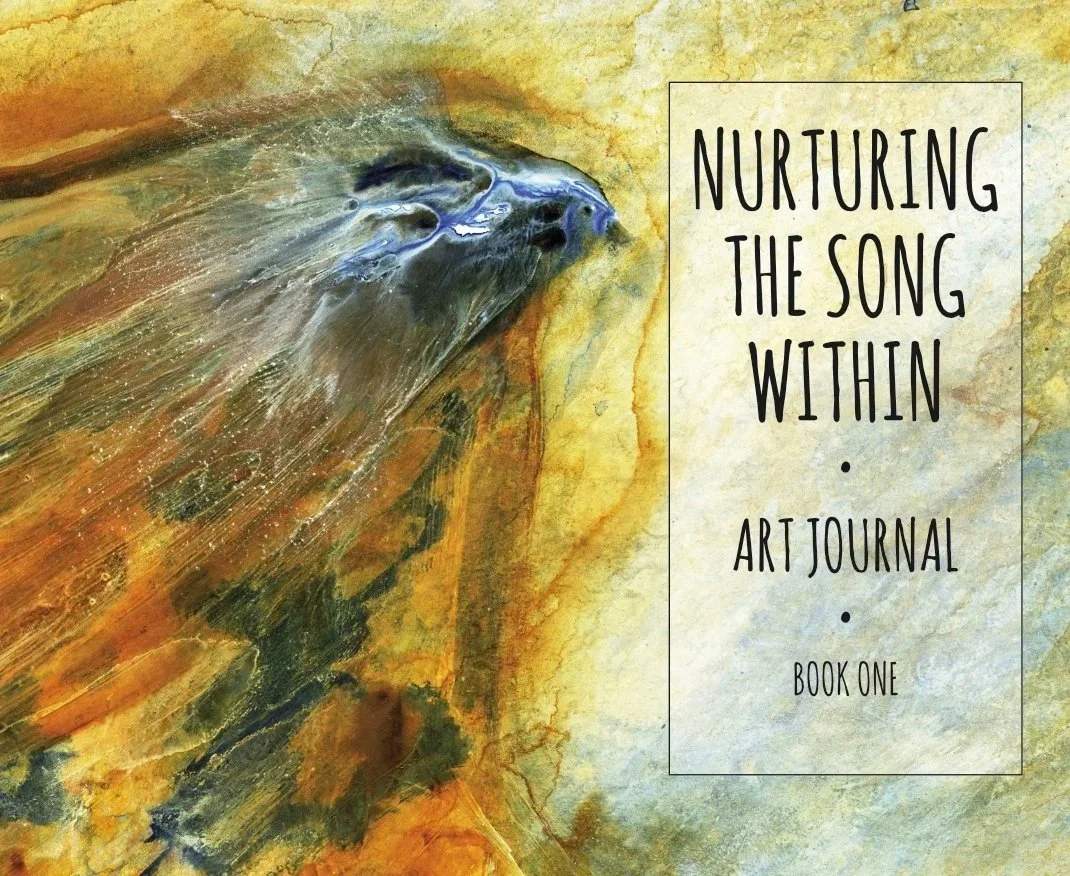
Nurturing The Song Within explores the inner work out of which creative work and a unique human life evolve. It contains key insights from hundreds of interviews Heron Dance founder Roderick MacIver has conducted over the last thirty years of people who choose their own path in life, and persist through the challenges and setbacks to make their dreams real.
Hardcover first edition with dust jacket. $87. Order here.
PDF $9.99 including tax. Order here.
More information here.
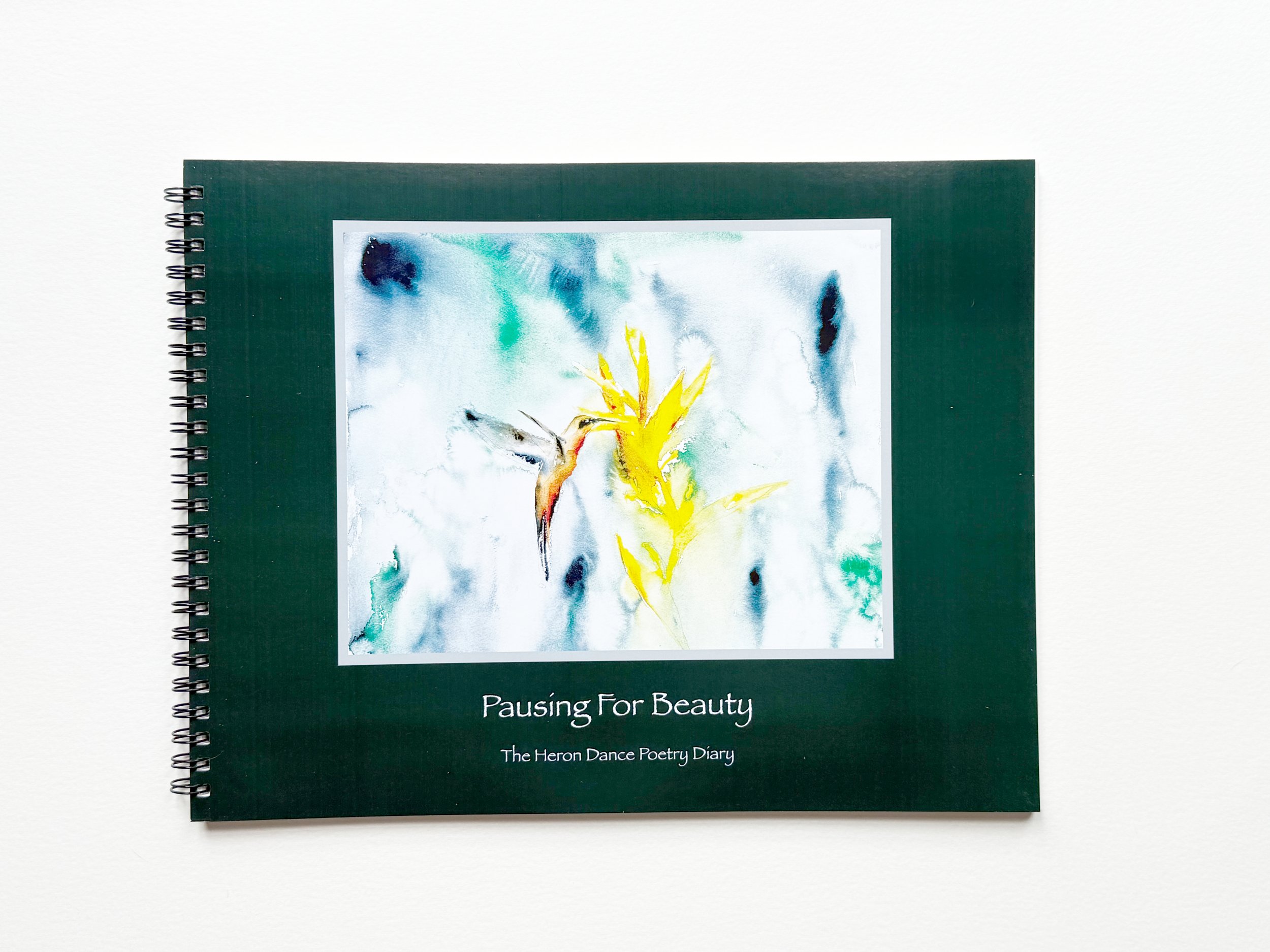
The Pausing For Beauty Poetry Diary
This beautiful undated diary contains dozens of poems selected to inspire thought about the nature and meaning of life and our connection to the natural world. The poems are accompanied by dozens of Roderick MacIver watercolors, some in full color, some watercolor sketches and delicate washes.
The Poetry Diary contains plenty of room for your journal notes and own poetry.
114 pages in total.
$44 print version. Order here.
$9.99 PDF. Order here.