Rodin has a tiny plaster cast of a tiger . . .
In his studio in the rue de l’Université, Rodin has a tiny plaster cast of a tiger (antique) which he values very highly: “C’est beau, c’est tout,” [It’s beautiful, it’s everything], he says of it. And from this little plaster copy I have seen what he means, what antiquity is and what links him to it. There is in this animal the same kind of aliveness in the modeling; on this little thing (it is no higher than my hand is wide, and no longer than my hand is) there are a hundred thousand places, as if it were something really huge — a hundred thousand places that are all alive, active, and different. All this just in plaster! And the representation of the prowling stride is intensified to the highest degree, the powerful downward tread of the broad paws, and simultaneously that caution in which all strength is wrapped, that noiselessness.
- Rainer Maria Rilke, in a letter to Clara Rilke (September 27, 1902). (Rilke was Rodin’s secretary for a while, until Rodin fired him over a letter Rilke sent a patron of Rodin’s, which Rodin interpreted as Rilke’s attempt to steal the limelight).
What Rilke names in that tiger — a hundred thousand alive places on a thing no bigger than a hand — is the same quality a painter chases without ever quite being able to name it. Not likeness. Not accuracy. Something closer to presence.
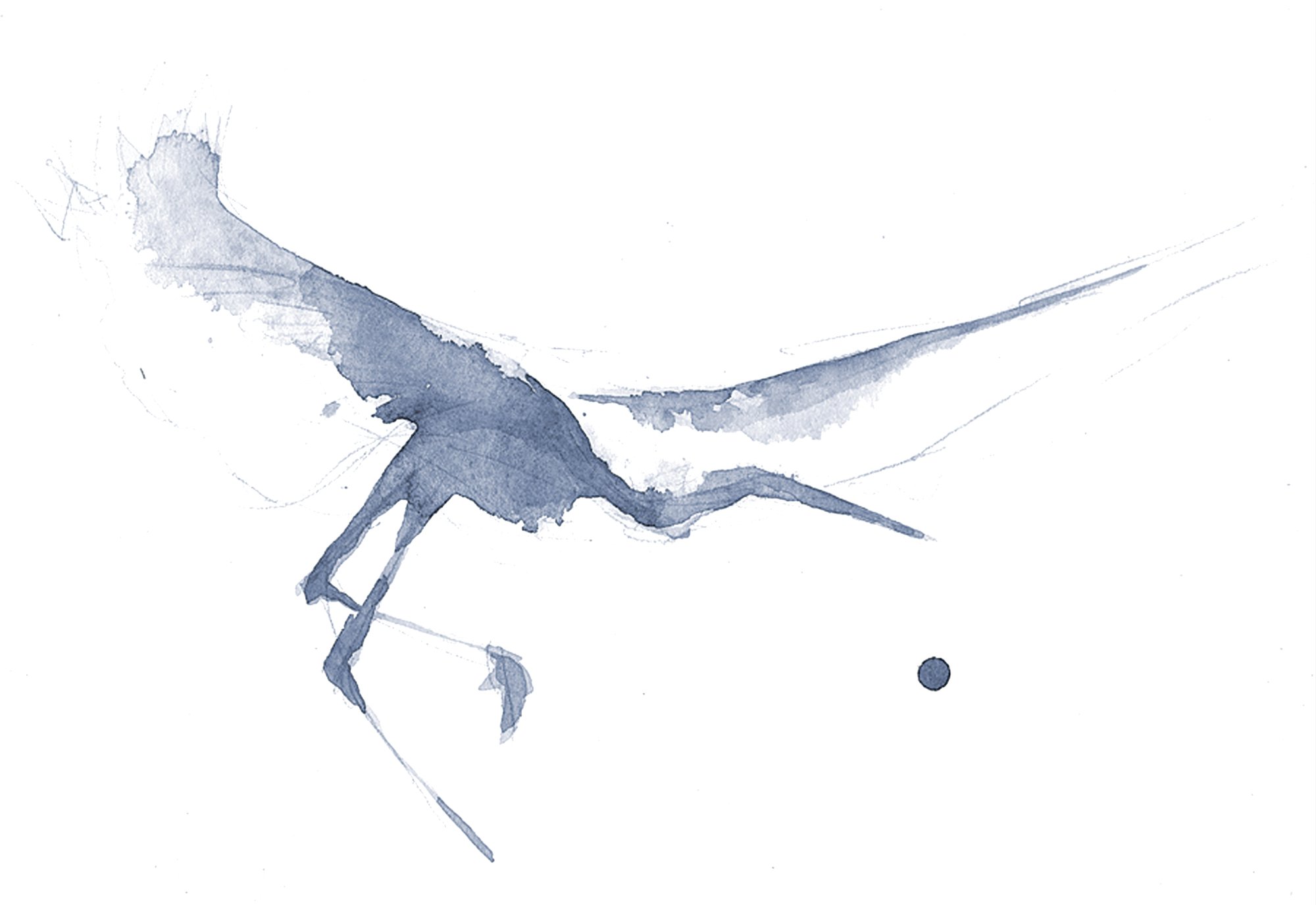
Most artists keep a collection of little works of art that they turn to for inspiration and guidance. I have half a dozen of these. The watercolor sketch on the left is my favorite of these. It isn’t even particularly realistic or representative of the appearance of a heron, but it does capture something of their nature. And I executed it in a minute or two and then left it alone, which I often fail to do.
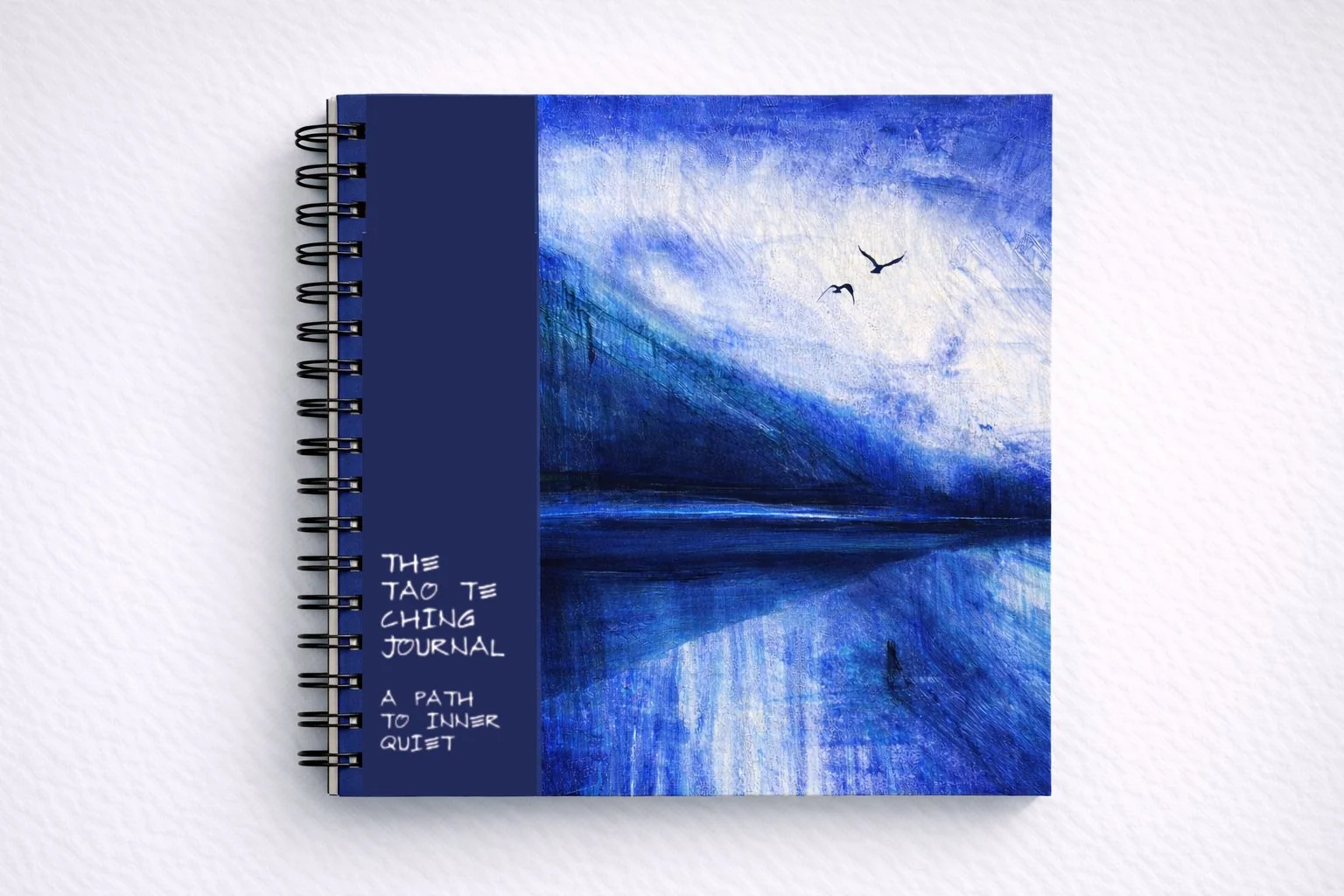
I’ve tried to take that sketch and create out of it a larger painting. In general, my efforts have failed, but there is one attempt that I like, pictured on the right.